Dark Winter Color Palette: Guide to Your Deep Cool Colors
Discover your Dark Winter color palette — deep burgundy, cool forest green, icy white and true black. Find your best colors with our free color analysis.
Apr 22, 2026 · 14 min read
Deep Winter or Light Summer lips? See both on your selfie
Aiyi is the founder and lead editor at Color Season AI. With a background in visual design and a personal obsession with seasonal color theory, she writes in-depth guides that blend research with real-world styling advice.

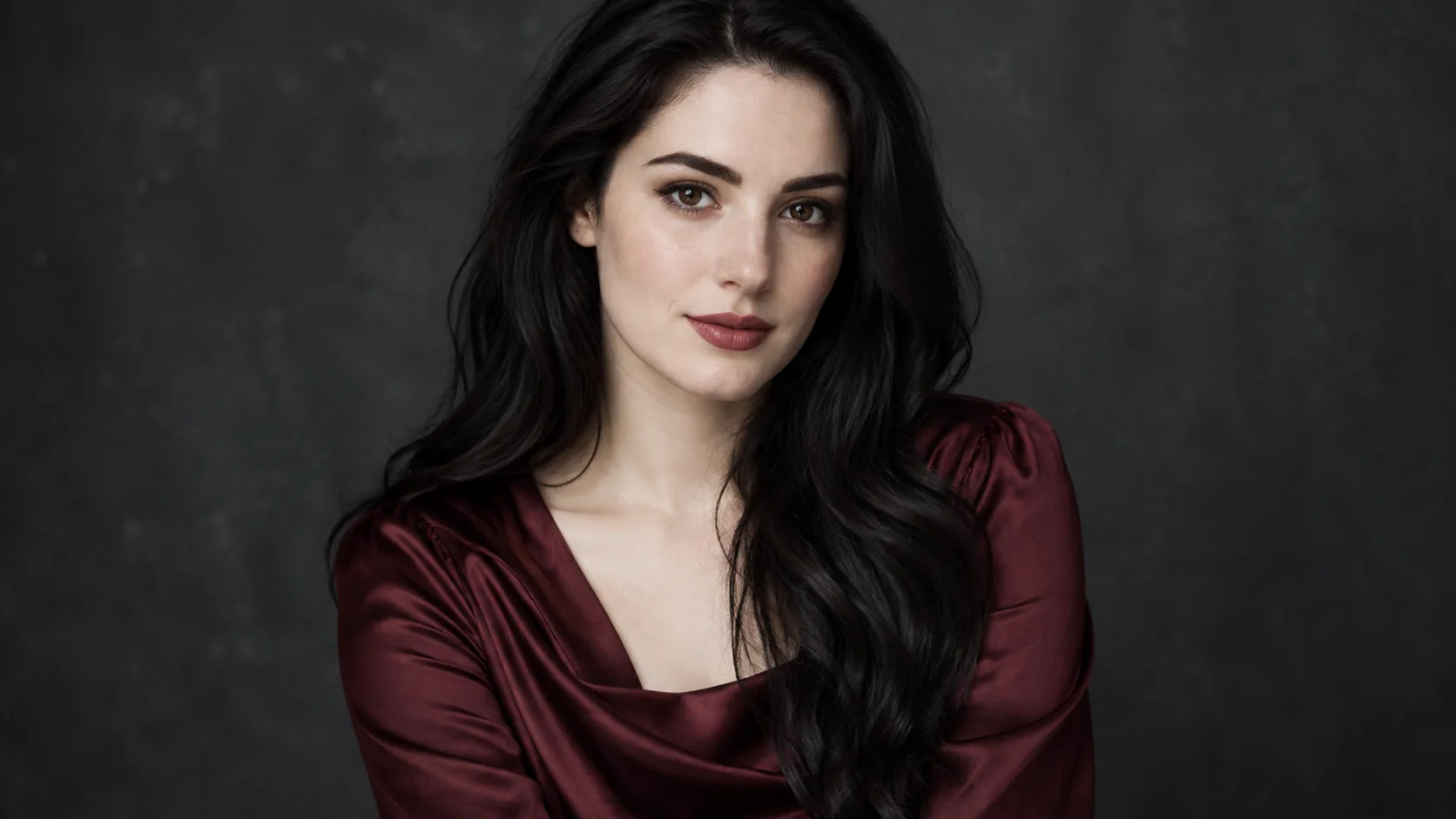
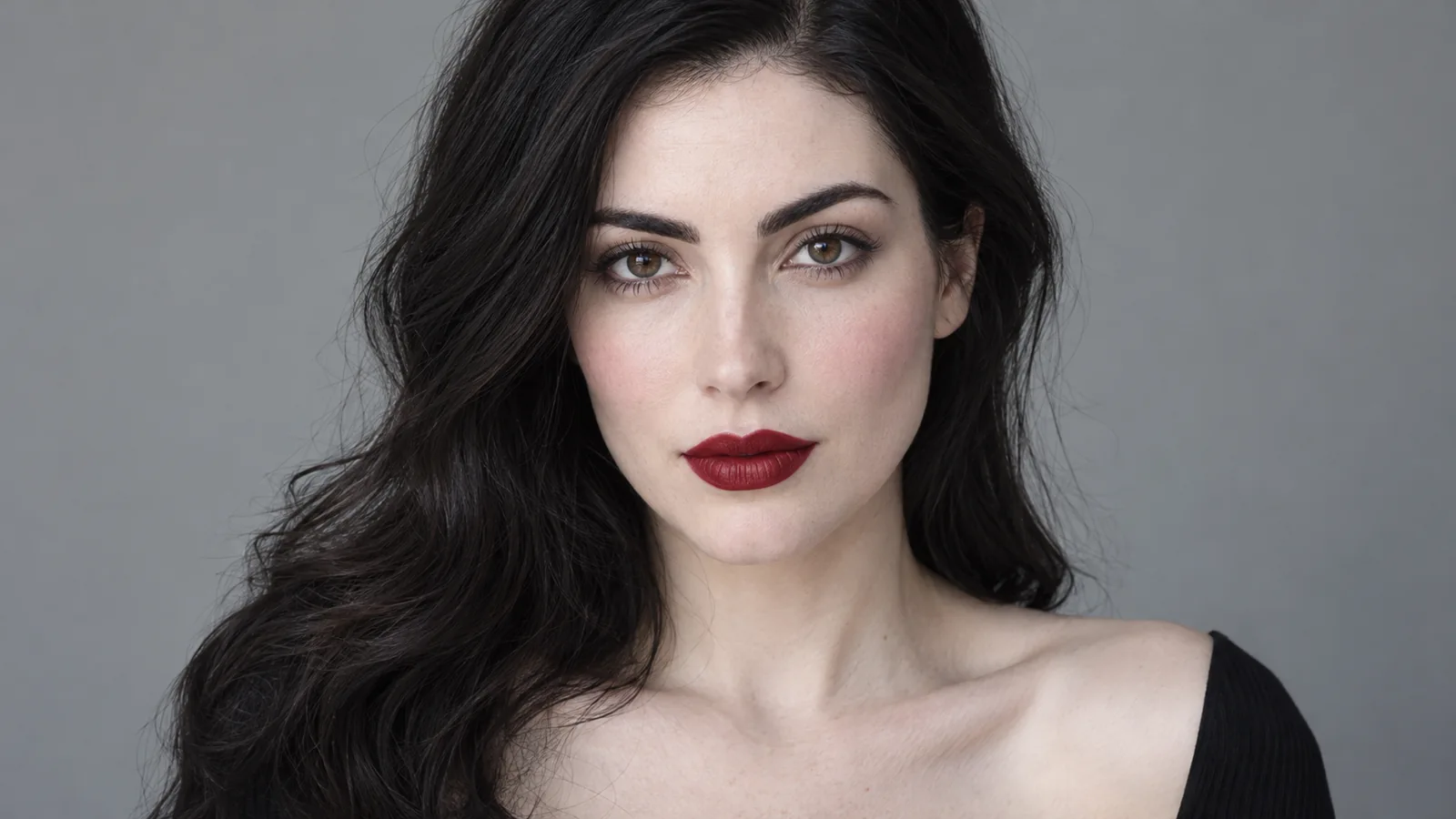
Yes. A pale deep winter is someone with fair, cool skin whose overall coloring is still deep, because the hair, brows and eyes are dark enough to carry the weight. "Deep" in Deep Winter describes the whole face — how much darkness and contrast it holds — not the color of the skin on its own.
That is why the question comes up so often. Most pictures of Deep Winter show olive or brown skin, so a reader with porcelain skin and near-black hair assumes she must be a light season. Then she tries the light season's pastels and looks tired in all of them. The light colors are not wrong because they are light; they are wrong because they are weaker than her hair and eyes.
Think of the classic Snow White look: skin like paper, hair like ink, a clear cool flush. Nothing about that face is soft or gentle, even though the skin is as light as skin gets. Deep Winter — the season we call Dark Winter elsewhere on this site — is built for exactly that amount of contrast.
The practical consequence is simple. You can stop asking whether you are "too pale" for dark colors and start asking whether a color is as strong as your darkest feature. If it is, it belongs near your face.
If you want a second read on your own photo, run it through our AI color analysis, then check the result against the three tests below — the drape test is the tiebreaker.

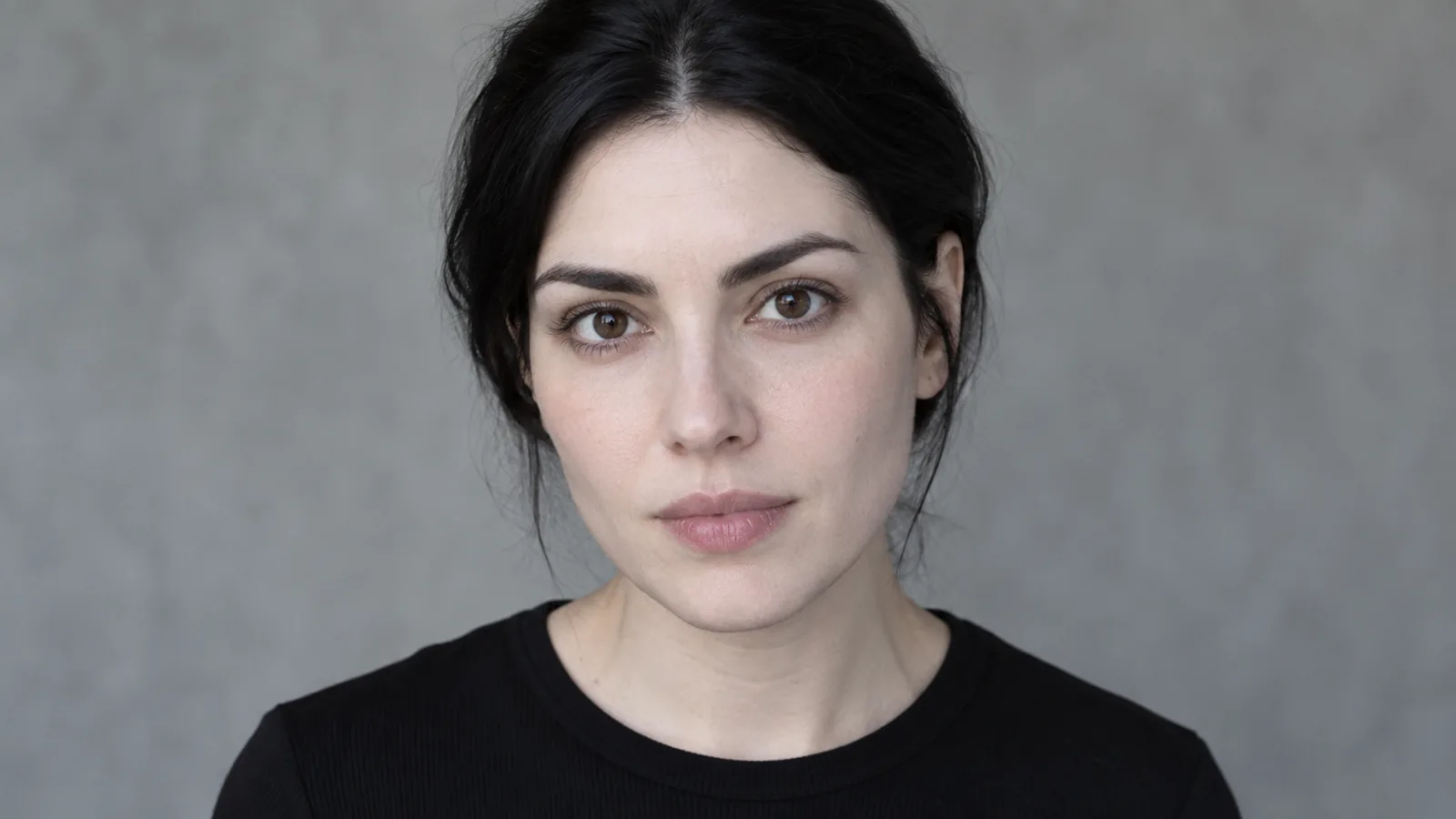
Pale deep winter coloring combines porcelain to light cool skin, natural black or dark ash-brown hair, brows as dark as the hair, and dark brown or vivid blue-grey eyes. Only the skin is lighter than in the Deep Winter most guides picture; the depth and the coolness stay the same, as the table below shows.
Typical Deep Winter
Fair-skinned Deep Winter
Skin
Olive, tan or deep brown
Porcelain to light, often with visible pink or redness
Undertone
Cool or neutral-cool
Cool or neutral-cool — never golden
Natural hair
Black or dark brown
Black, espresso or dark ash brown
Eyes
Dark brown or black-brown
Dark brown, or a vivid blue or grey-green framed by dark lashes
Brows
Dark and defined
Dark and defined — the clearest giveaway on fair skin
Contrast
Medium-high to high
The highest on the chart: lightest skin, darkest hair
What drains it
Warm beige, camel, orange
The same, plus dusty pastels and mid-grey
The brows matter more than people expect. Fair-skinned people who are really Light Summers or Soft Summers usually have brows a shade or two lighter than their hair; the fair-skinned winter this page is about tends to have brows as dark as the hair, which is why their faces still look graphic with no makeup on.

You do not need a professional draping to get a strong first answer. Each test below takes a few minutes in daylight, without makeup, hair pulled back.
1. The black-and-white photo. Take a front-facing photo by a window and turn it greyscale. If your hair, brows and lashes read as near-black against near-white skin, your face is high contrast — the defining trait. If everything collapses into soft mid-greys, you are more likely a summer season.
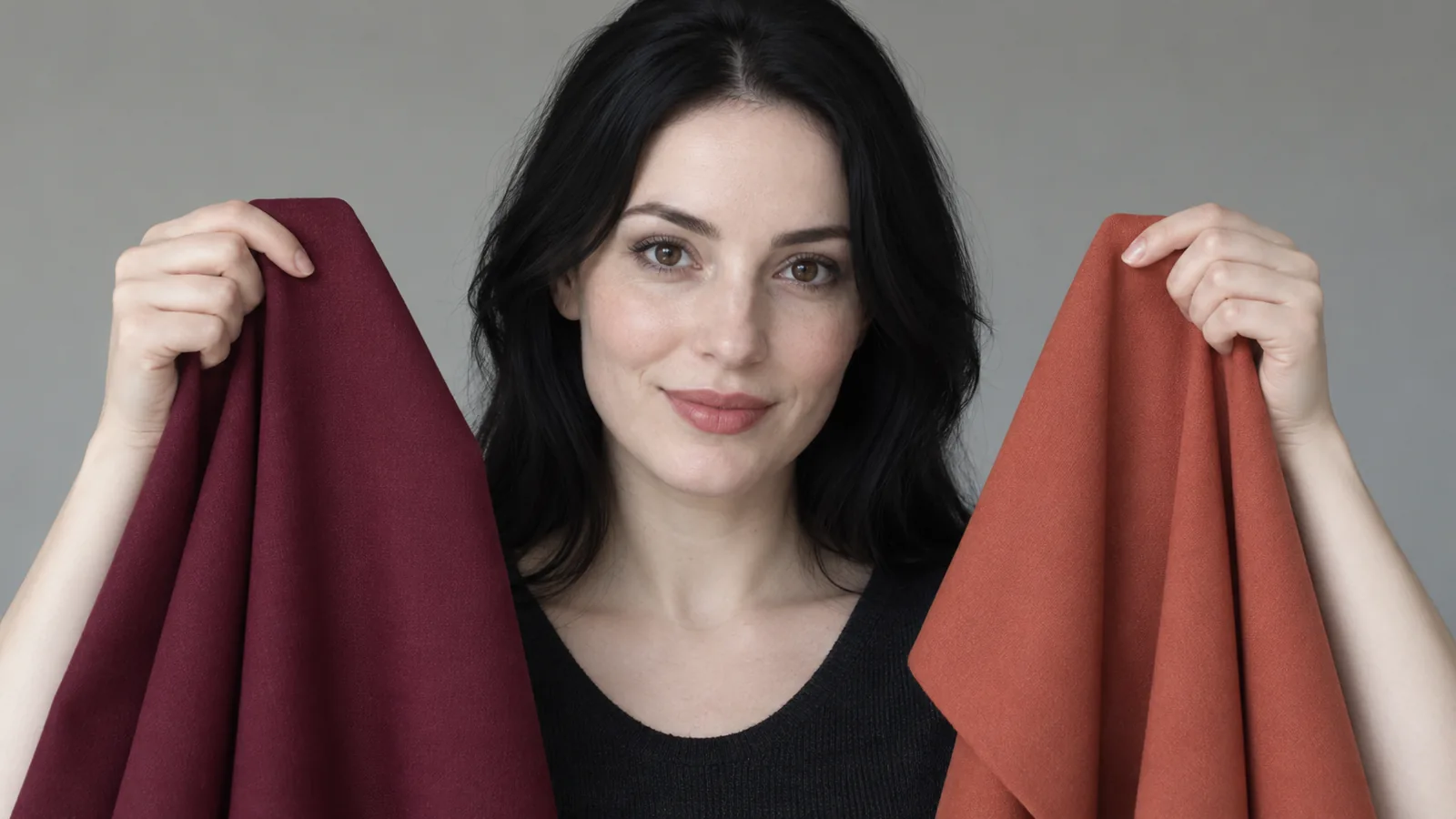
2. The burgundy or terracotta drape. Hold a cool wine-red fabric under your chin, then a warm terracotta one. The right color makes the skin look even and the eyes sharper; the wrong one shows up as shadows under the eyes or a yellowish cast. The simulator below shows how the same two colors read on four kinds of fair and deep skin.
3. Silver or gold. Wear a silver piece and a gold piece on the same day. On cool fair skin, gold tends to look like it is sitting on top of you; silver looks like part of you. More undertone checks are in warm vs cool undertones.
Skin evens out, eyes look darker
Reads heavy and slightly grey
Overpowers a soft face
Rich and balanced
Pinkness shows, face looks flushed
Warm glow, healthy color
Sallow around the mouth
Dulls the skin slightly
Light Summer is the season a pale deep winter is most often mistaken for, ahead of True Winter, Bright Winter and fair Deep Autumn.
Fair skin gets the Light Summer label from quizzes, from friends, and from color analysis apps that weigh skin lightness more than hair and brow depth. If you have been told you are a Light Summer but powder blue and soft rose make you look washed out next to your dark hair, that is the sign the result read your skin and ignored the rest of your face. The two seasons do share a little ground, as the diagram shows: both are cool, both like clean white and a cool rose. Everything else points in opposite directions.
The other three neighbors are closer calls; each pair below opens to the shade that tells them apart.
Light Summer
Deep Winter
If none of the pairs settles it, go back to the drape test: whichever side makes your skin look clearer and your eyes sharper is your season.

The palette is the same one deeper-skinned winters wear — what changes is how you place it. Fair skin is the lightest thing in your outfit, so the darkest colors look best close to the face, where they echo your hair and give the skin something to stand out against. Here are the four color families to build from, each with the shades that sit around it.
A few placement rules make the difference on fair skin. Use icy white, not cream, as your light neutral: it matches the clarity of your skin instead of yellowing it. Keep the darkest piece at the neckline — a black or navy collar does more for you than black trousers. And when you wear a jewel tone, wear it at full depth; a "softer" version of sapphire is not a gentler choice for you, just a weaker one.
Deep blues
Wines and reds
Cool greens
Neutrals and violets
Four color groups wash out a pale deep winter: camel and warm beige, dusty pastels, orange and coral, and flat mid-grey. They are the "safe" soft shades that fair-skinned people are told to wear, and they fail for the same reason: they are lighter, warmer or greyer than your features, so your hair and eyes win the contest and the skin looks drained between them. The full list, with a cool swap for each, is in Dark Winter colors to avoid.
Avoid
Camel and warm beige knits — they match nothing in your face and leave fair skin looking sallow
Choose
Charcoal or a cool mid-grey with a black collar keeps the neutral feel
Avoid
Dusty pastels such as powder pink and baby blue — too weak next to near-black hair
Choose
Raspberry or a clear sapphire carries the same color at your strength
Avoid
Orange, coral and peach — they bring up every bit of redness in pale cool skin
Choose
A blue-based red does the "pop of color" job without the flush
Avoid
Flat mid-grey head to toe — it greys out the skin and hides the contrast
Choose
Black and icy white together, the contrast your face already has
The quickest way to dress as a fair Deep Winter is to swap the six pieces that sit closest to your face — tee, blazer, knit, evening dress, coat and scarf — for a deep, cool version of the same thing. Start with the scarf: it tests the whole palette for the price of one accessory.
Everyday T-shirt
The darker tee frames the face; the pale one blends into it.
Work blazer
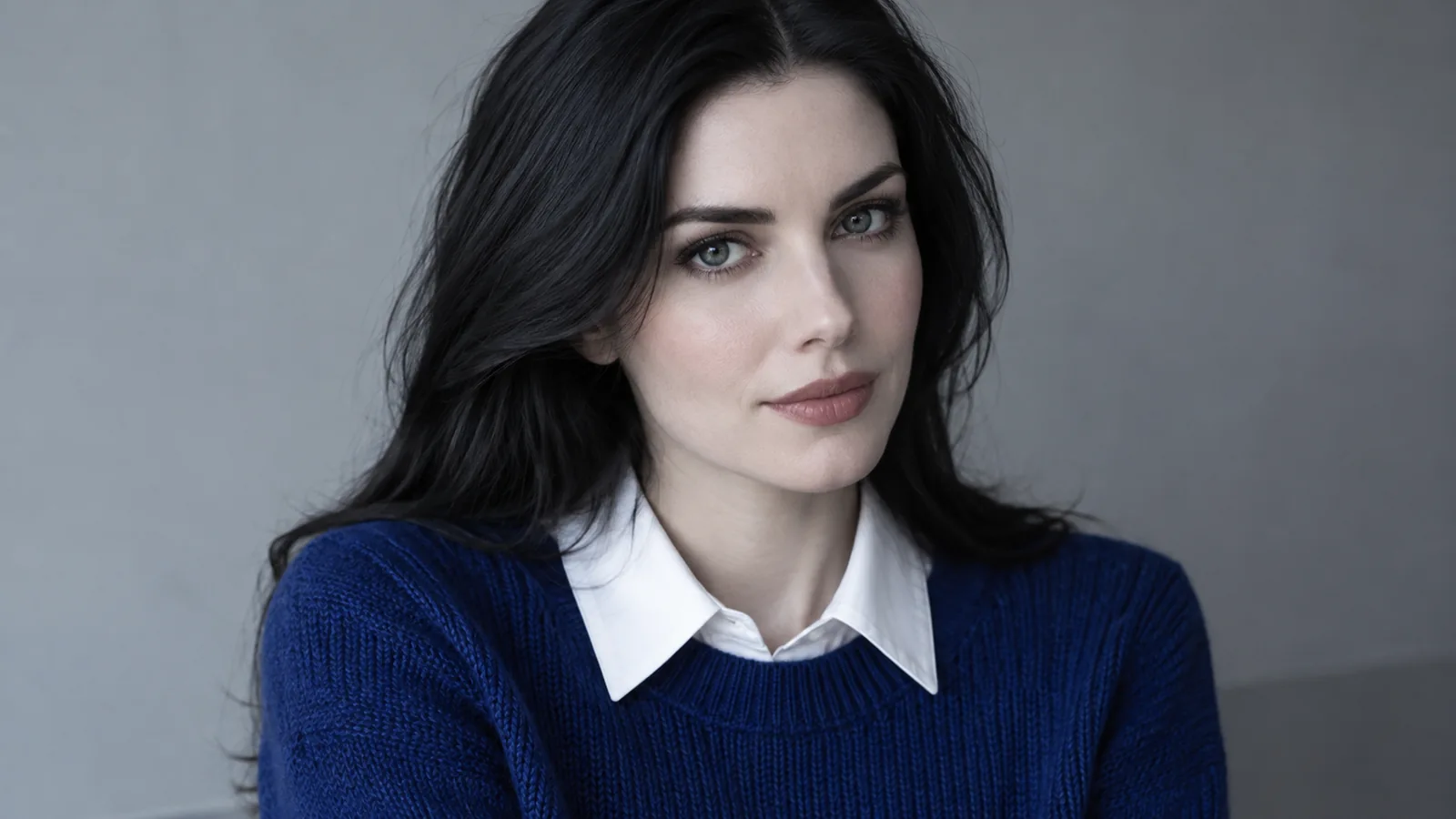
Navy reads as sharp as black, with less severity on very fair skin.
Winter knit
Oatmeal is warmer than your skin; forest green is as deep as your hair.
Evening dress
Wine on fair skin is the high-contrast look this coloring is built for.
Winter coat
One of the few seasons where black near the face is a strength, not a risk.
Scarf
A cool, saturated scarf is the quickest test of the whole palette.

Makeup is where this coloring most often goes wrong, because the usual advice for fair skin is "keep it soft". Soft is exactly what makes this coloring look unfinished.
Base. Choose a foundation by undertone first: pink or neutral-pink, the lightest shades in a range, and nothing labelled golden or warm. If your skin has redness, correct it with a little green-tinted primer rather than a warmer foundation — warming the base to hide pink is what turns fair skin orange at the jaw.
Lips. This is your strongest feature to play up. Blue-based reds, deep wines and cool berries all work; the "your lips but better" nude does not, because a beige lip on fair skin with dark brows reads as no lip at all. If a full red feels like too much for daytime, a dirty blue-pink is the everyday version.
Balance. Match the strength of eyes and lips. A dark lip with bare lids looks deliberate; a dark lip with heavy shadow looks like two faces. Smoky charcoal or plum on the eyes works best with a sheer berry on the lips.
Blush and brows. Cool rose or berry blush, applied lightly — your skin shows color easily. Keep brows dark and defined; lightening them is the fastest way to lose the contrast that makes you a Deep Winter. The wider kit — eyeshadow, liner and blush shades — is in Dark Winter makeup colors.
The shades below are the lip colors to start with, each with look-alikes you can find in store. All five are in the selfie try-on at the top of this page, next to the Light Summer shades you may have been told to wear.
The signature lip for this coloring — clear red with no orange in it
MAC Ruby Woo, Fenty Beauty Stunna Lip Paint in Uncensored
An evening shade that looks dramatic on fair skin, polished on everyone else
MAC Diva, Revlon Super Lustrous in Black Cherry
Deep berry with a violet lean — softer than wine, stronger than pink
MAC Rebel; Clinique Black Honey for a sheer version
Bright but cool; the shade that replaces coral in your bag
MAC Flat Out Fabulous
The daytime option: muted rose with a cool base, still stronger than a nude
MAC Mehr

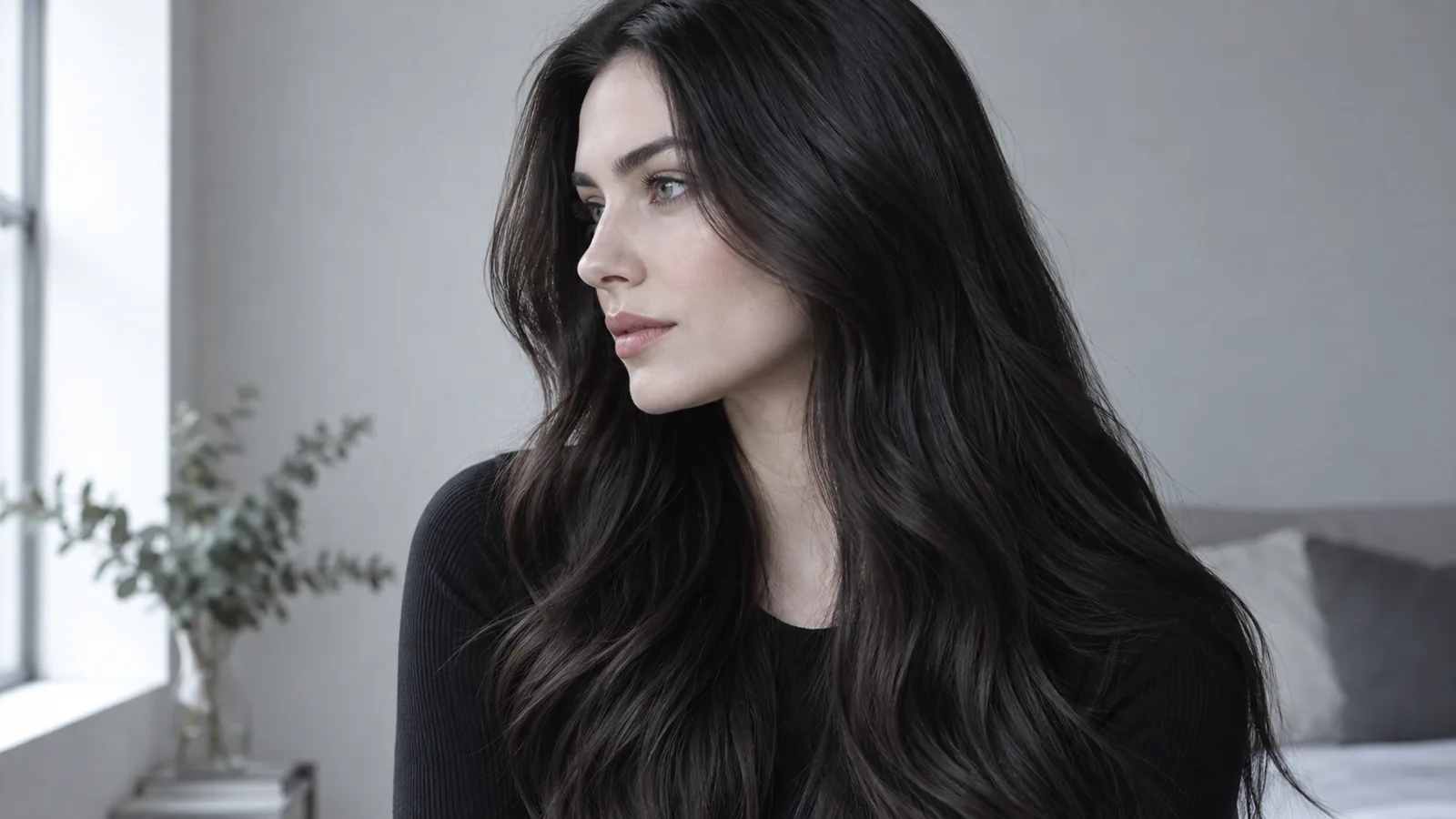
Your natural hair color is doing half the work in your coloring, so the main rule is to keep it dark. Cool espresso, blue-black and dark ash brown all suit a fair Deep Winter; warm chocolate, copper or caramel highlights bring warmth to the face that the skin cannot hold.
If you want dimension, ask for fine lowlights a shade darker rather than highlights a shade lighter, and keep any brightness cool. When grey starts to appear, dark ash coverage or a deliberate silver blend both work — a cool grey is far kinder to this coloring than a warm "softening" brown. For more on shades and salon wording, see the Dark Winter hair color guide.
Anne Hathaway and Lucy Liu are two well-known fair Deep Winters: fair cool skin, near-black hair and dark eyes. These are styling reads from public photos, not official analyses — no one outside a draping session can be certain — and they match how we type both women across the site, including in Dark Autumn vs Dark Winter and the Dark Winter celebrities guide.
Cool porcelain skin, near-black hair and dark brown eyes — the textbook fair Deep Winter. She looks her sharpest in cool reds, fuchsia, charcoal and stark white, and flattest in warm browns.
Fair, neutral-cool skin with black hair and dark eyes. Jewel tones and true black frame her; beige and muted pastels flatten the contrast she is known for.
The questions that come up most once fair-skinned readers start testing these colors.
Not for a pale deep winter. Black is harsh when it is darker than everything else in your face; with near-black hair and dark brows, it simply repeats what is already there. If you find it severe, add icy white or a jewel tone near the face rather than swapping black for brown.
Away from the face, in small amounts. A camel bag or tan shoes will not change how your skin looks. Warm colors at the neckline — mustard, coral, camel — are the ones that bring up redness and sallowness on fair cool skin.
Many apps weigh how light your skin is more heavily than how dark your hair and brows are, so very fair skin pulls the result toward a light season. If Light Summer pastels make you look tired next to your dark hair, trust the drape and photo tests above, and compare the two lip palettes on your own selfie.
Both are cool and high contrast. Try deep navy and wine against icy fuchsia and electric blue: if the darker shades make your skin look clearer, you lean Deep Winter; if the icy brights do, you lean True Winter.
No. A tan changes your skin depth for a few weeks, not your undertone or your hair and eye color. You may find deep colors look even richer with a tan, but the palette stays the same.
Yes — fair skin with dark hair and a dark beard or brows is the same coloring. Charcoal and navy suits, white shirts, and a deep burgundy or forest knit do for a pale deep winter man what jewel tones do in womenswear.
Dark Winter Color Analysis — Full Season Guide

Discover your Dark Winter color palette — deep burgundy, cool forest green, icy white and true black. Find your best colors with our free color analysis.
Apr 22, 2026 · 14 min read

Dark Winter outfits for work, weekends, and evenings — deep burgundy, cool forest green, true black, and icy white styled for every occasion.
Apr 22, 2026 · 7 min read

Dark Winter makeup guide: how to tell your cool-deep foundation, burgundy lip, and berry blush apart from the warmer Dark Autumn shade next to it.
Apr 22, 2026 · 7 min read