
Color Draping, Side by Side
The only tool that lets you compare any 2 of 12 seasonal palettes on your own face — and save the colors that win.
Spring
Spring
Spring
Summer
Summer
Summer
Autumn
Autumn
Autumn
Winter
Winter
Winter
Soft Summer
Tap a swatch below to drape a single color
Your Side-by-Side Shortlist
0 / 12 seasons exploredTap Side-by-Side Compare to pit two seasons against each other, or swipe through colors with Suits Me / Not for Me. Your shortlist builds here as you go.
Color Draping, Compared Side by Side
Most color draping tools show you one palette at a time. Ours puts two seasonal palettes side-by-side on the same selfie — because the human eye reads color comparatively, not absolutely. When “Soft Autumn earthy gold” sits next to “Soft Summer dusty mauve” on your face at the same moment, the wrong one looks obviously wrong, and the right one stops feeling like a guess. That is what side-by-side color draping does: it turns ambiguity into a decision.
“Does the skin look smoother and more radiant? Do the undereye shadows fade? Does the jawline sharpen?”
Color draping itself is the gold-standard method of personal color analysis. The traditional technique places fabric swatches of different hues near the face and asks those three questions. The answers are reliable — but only when you can compare. Holding one drape at a time forces you to remember what the previous color did. Holding two at once removes that work.
The framework here is the modern 12-season system, refined from 1980s seasonal color theory. Every person has a fixed undertone and a natural contrast level, and the right colors harmonize with those innate qualities rather than competing against them.
If you would rather get a starting season first, take our free color analysis quiz or browse the season guide pages — then come back here to compare two palettes side by side and lock in your answer.
How to Use This Color Draping Online Tool
Getting started takes less than a minute. No account, no sign-up.
If you already know your season, jump straight to it. Not sure? Start with Soft Summer (the default) — it's a popular neutral starting point — then work through the warm and cool families to see which palette makes your skin glow.
For the most accurate digital color draping experience, view the tool in natural daylight and use a screen at full brightness.
How to Read Your Color Draping Results
Professional analysts spend years training their eyes. Tap the hotspots below to learn what subtle shifts to look for during your draping session.
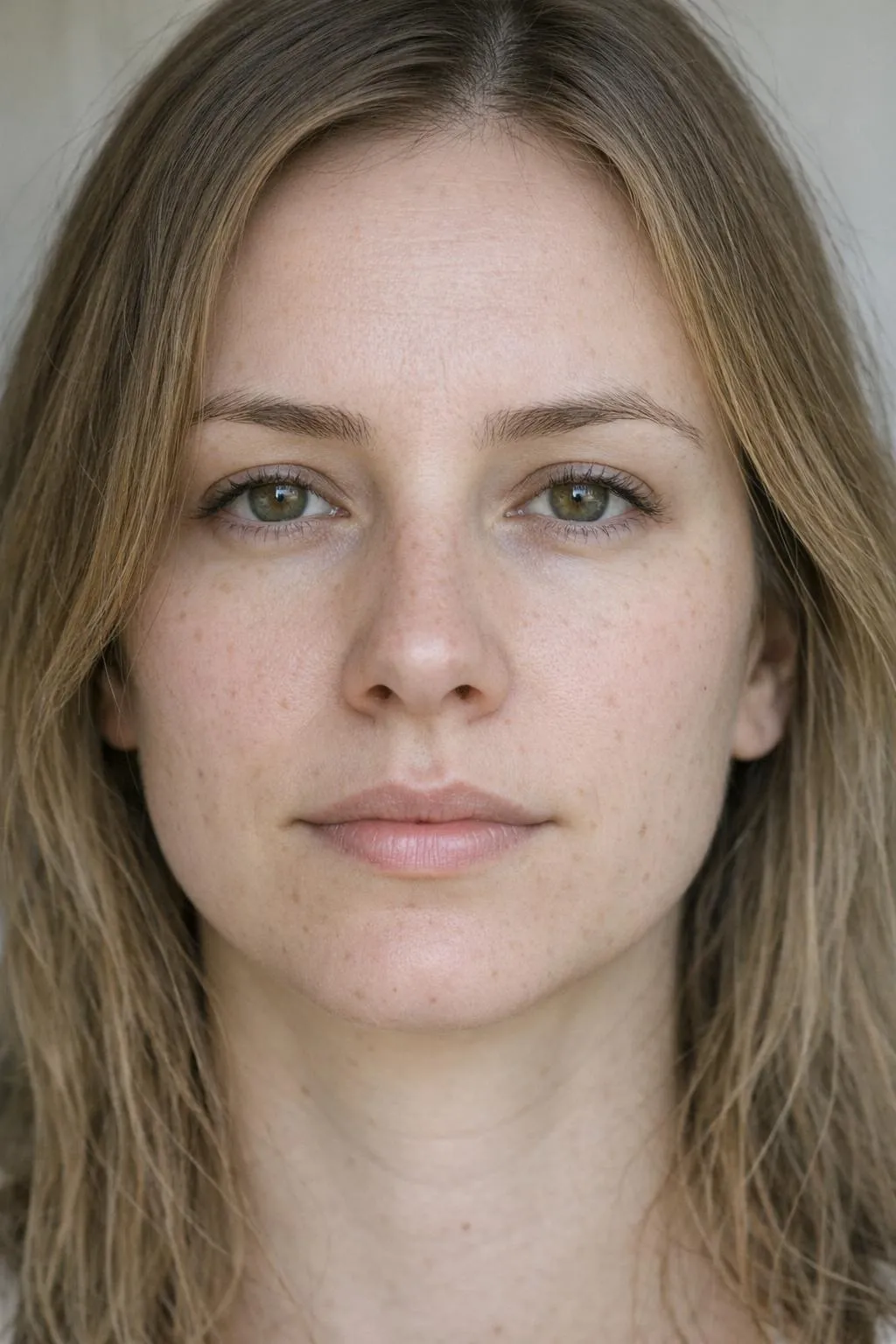
Pro Tip
Don’t rush — try at least 8–10 colors across two or three seasons before drawing conclusions. Give each color draping comparison 5–10 seconds of focused observation.
Side-by-Side vs Other Color Draping Methods
Most online color draping tools — and even DIY kits — show you one palette at a time. Here is how the four common approaches actually compare when you need to make a decision.
Professional In-Person
DIY Kit at Home
Other Online Tools
Side-by-Side (This Tool)
How to Use This Table
Side-by-side color draping is the only free method that mirrors how professional analysts actually work — by placing two palettes against the face at the same moment, not one after the other. Use it to settle the borderline cases that everything else leaves ambiguous.
If you would rather start from a verdict and confirm it visually here, run our free AI photo analysis first — your result will load into this tool automatically.
And once the season is settled, our color season Chrome extension carries that palette onto the shopping pages where you have to make the call for real.
Draping answers one question well: which colour wins next to your face. If you want the rest of what that same photo can say — the outline, the proportions, how old it reads and how deep your skin sits — the full face analysis draws all four over the picture itself.
Why Side-by-Side Color Draping Works Better
Three reasons the A/B method outperforms one-color-at-a-time draping — whether you are in a salon, holding a DIY kit, or using any other online tool.
The eye reads color comparatively, not absolutely
Your visual system was built to detect differences, not measure absolute hues. A muted olive next to bright coral looks dramatically warmer than the same olive shown alone. Color analysts call this simultaneous contrast — and it is the reason every traditional draping kit comes with paired drapes. Side-by-side color draping preserves that paired condition; one-at-a-time tools throw it away.
Color memory is unreliable within seconds
Look at Soft Autumn for ten seconds, click away, then look at Soft Summer. Try to recall whether your jawline was sharper a moment ago, or whether your undereye shadows lifted more. You cannot — color memory degrades almost immediately. The only honest way is to see two palettes on the same face at the same instant, which is what the A/B mode in this color draping tool was built for.
The hard color analysis cases are always border cases
Almost nobody struggles to tell True Winter from Light Spring — those are obvious. The real diagnostic work is between neighbors: Soft Autumn vs Soft Summer, Bright Spring vs Bright Winter, Dark Autumn vs Dark Winter. These are the most common misdiagnoses professional analysts spend time correcting. Side-by-side draping puts the two contenders on your face at the same moment.
Color Draping for Every Skin Tone
⚠ The Industry Problem
One of the most persistent problems in the color analysis industry is the mistyping of people with deep or dark skin. Too many tools conflate skin depth with seasonal classification. The result: people with deep brown or Black skin are routinely funneled into “Deep Autumn” or “Dark Winter” regardless of their actual undertone.That’s not color draping — that’s guessing by shade.
“The truth that proper color draping reveals: undertone is entirely independent of skin depth.”
A person with deep brown skin can be a warm True Autumn, a cool True Winter, or a muted Soft Summer. The draping process itself — watching how the face responds to different hues — is the same regardless of skin tone. If you’ve been told your only options are Dark Autumn or Dark Winter, explore all 12 seasons in this tool, then take our color analysis quiz.
How Our AI Evaluates You
Three distinct dimensions for absolute accuracy.
Undertone
Warm vs. CoolThe core signal. Independent of how light or dark your skin is.
Clarity
Clear vs. MutedHow pure or blended the colors need to be to match you.
Depth
Light vs. DeepInforms the palette, but never overrides the undertone.
Explore All 12 Seasons
Don’t let skin depth limit your options.
The 12 Color Seasons at a Glance
Light Spring
warmDelicate, warm, and light — soft peachy neutrals with gentle warm accents.
True Spring
warmClear and warm with vibrant, fresh energy — think garden-party brights.
Bright Spring
warmHigh contrast, clear, and warm — the liveliest Spring sub-type.
Light Summer
coolSoft and cool with low contrast — muted pastels in a gentle, airy palette.
True Summer
coolMuted and cool — the quintessential understated, blended Summer palette.
Soft Summer
coolMuted and slightly warm — the most neutral of the Summers.
Soft Autumn
warmMuted and warm — earthy, approachable tones with a gentle autumn warmth.
True Autumn
warmRich and warm with medium-high saturation — the classic harvest palette.
Dark Autumn
warmDeep and warm — dramatic earthy shades with high depth and strong contrast.
Dark Winter
coolDeep, cool, and high contrast — the boldest of all 12 seasons.
True Winter
coolClear and cool — vivid, pure hues against crisp neutrals.
Bright Winter
coolClear, cool, and high contrast — energetic and striking.
This color draping tool includes the complete palette for all 12 seasons. Use the season selector at the top of the tool to switch between them.
Tips for Accurate Color Draping Online
A screen is not a fabric swatch. Complete this quick checklist to get as close to an in-person experience as possible.
Use natural daylight
Sit near a window during daylight hours. Yellow incandescent light and cool fluorescent office lighting both shift the apparent color of everything on screen. Natural light is the neutral baseline that color draping relies on.
Remove or minimize makeup
Foundation, blush, and lipstick change your perceived skin tone and undertone. If you can go bare-faced for 10 minutes, the color draping result will reflect your actual coloring.
Show your natural hair color
Hair color is one of three key inputs in seasonal color analysis. If you have colored hair, pull it back or note that your result reflects your current hair, not your natural hair.
Use a neutral background
If uploading a selfie, choose a photo taken against a plain white or light gray background. Strongly colored walls reflect light onto your face, muddying the undertone signal.
Camera at eye level
Shooting up or down changes facial shadows significantly. An eye-level selfie in even, diffused light gives the clearest read on skin clarity and undertone.
Try multiple sessions
Lighting conditions change throughout the day. Running two color draping sessions in different light conditions and comparing your favorite picks is one of the most reliable self-administered approaches.
Honest note on screen accuracy: Every monitor renders color differently. Treat your color draping online results as a highly informed starting point — then verify any important decisions by holding actual fabric near your face in natural light.
What to Do After You Find Your Season
Color draping identifies your best colors — but the real value comes from putting that knowledge to work.
Audit your closet
Audit your closet
Go through your wardrobe and identify which pieces fall within your season's palette and which ones consistently make you look tired or washed out.
Capsule wardrobe
Capsule wardrobe
Identify 3–5 core neutral colors from your season and build outfits around them. Neutrals in your palette work harder than any single statement piece.
Adjust makeup
Adjust makeup
Foundation undertone, lipstick, and blush choices all benefit from color draping insight. Warm seasons do best with peachy-warm blushes; cool seasons thrive with rose and berry tones.
Best hair color
Best hair color
Warm seasons look best with golden, copper, and warm brown tones; cool seasons suit ash, platinum, and blue-toned browns.
Shop smarter
Shop smarter
Use your saved color draping favorites as a filter when browsing clothing online. This dramatically reduces impulse purchases that look great on the model but unflattering on you.
For season-specific styling advice, visit the Soft Autumn guide or the Dark Winter guide. If your color draping session left you uncertain, try our AI analysis.
Try AI Analysis →Frequently Asked Questions
Everything you need to know about digital color draping, preparation, and finding your perfect palette.
Color draping online is a digital version of the traditional in-person technique where fabric swatches are held near your face to see how each hue interacts with your skin tone, eye color, and hair. Instead of physical swatches, a digital tool overlays seasonal color palettes onto a photo or silhouette so you can observe the same visual effects — skin clarity, undereye shadows, and jawline definition — from your browser or phone.
Digital color draping is a reliable starting point, with one caveat: the accuracy depends on your screen's color calibration and the lighting conditions when your photo was taken. For most people, virtual color draping narrows down the right season family (warm vs. cool, muted vs. bright) very effectively. Pair it with an AI photo analysis for a more precise 12-season result.
Color draping is the specific technique — placing colored fabric or digital swatches near the face to observe how the skin responds. Color analysis is the broader process of determining your seasonal palette, which may include color draping alongside vein tests, hair/eye evaluation, and skin undertone assessment. Think of color draping as the primary diagnostic tool within the wider color analysis workflow.
In-person professional color draping sessions typically cost between $150 and $500, depending on the analyst's experience, location, and whether the session includes wardrobe consultation. Some celebrity analysts charge significantly more. Our color draping online tool is completely free.
Want Your Exact Color Season?
Our AI analyzes your skin tone, undertone, and contrast level in 30 seconds — completely free, no signup required.
Try Free AI Color Analysis