“Does it work on Asian skin?” is too broad to answer with one yes or no. Asia includes East, Southeast, South, Central, and West Asian populations. Within those groups, skin ranges from very light to very deep and from red-leaning to yellow-leaning, with neutral and olive combinations in between. Dark skin describes depth. Asian describes geography and ancestry. They are different variables.
That distinction matters because many older systems and image datasets reduce skin to a light-to-dark strip. The ICCV paper Beyond Skin Tone: A Multidimensional Measure of Apparent Skin Color adds a red-to-yellow hue dimension and finds that dark-yellow skin is underrepresented in common image datasets. A model can cover several depths and still miss an important part of the color range.
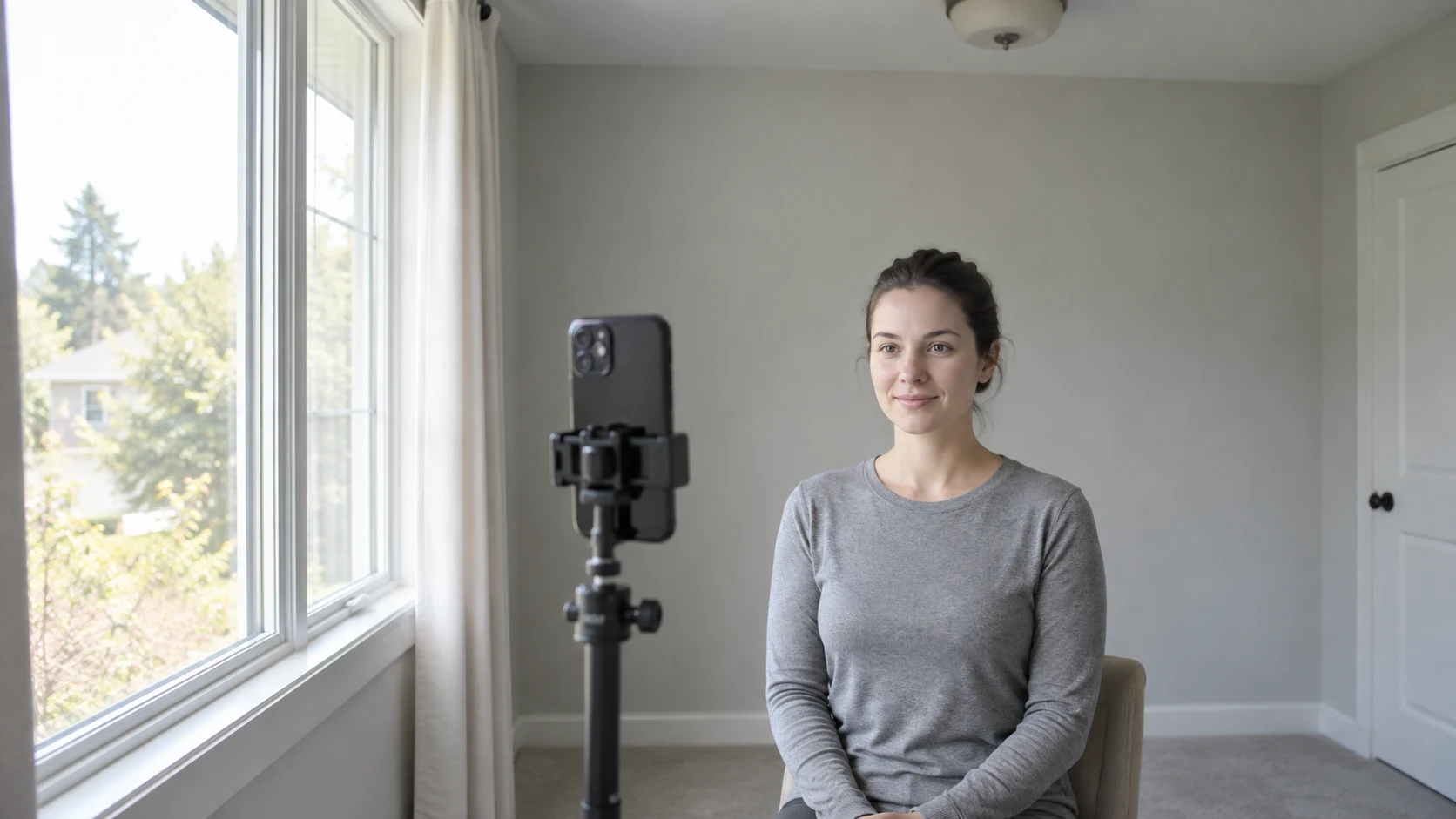
The photo can distort those differences further. Google has documented how face detection, auto exposure, white balance, stray light, and low-light sharpness historically worked less well for darker skin. Its Image equity work changed both datasets and camera tuning. Those improvements help the photo look more representative, but color-analysis software still receives the phone’s processed version of your face.
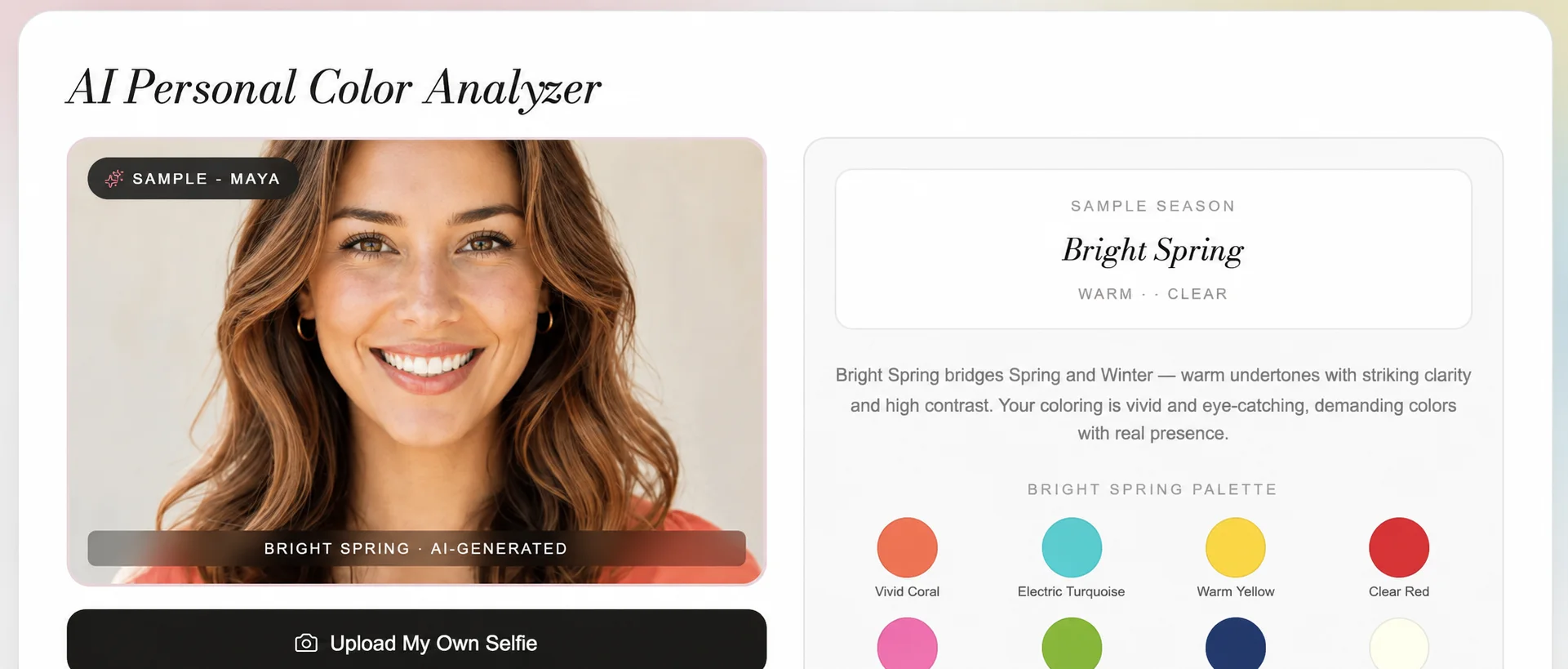
Asian users face a separate shortcut in traditional seasonal typing. Dark hair plus dark eyes often gets read as “deep” or “high contrast” before anyone checks what happens to the skin beside color. A study of 200 Korean women found that British, Japanese, Korean, and German personal-color systems weighted lightness, redness, and yellowness differently. The same face can enter a different system and come out with a different label. Read the study here: A Comparative Analysis of the Skin Color According to Seasonal Types in Personal Color Systems.
For a closer look at green-grey or hard-to-match coloring, use our olive skin guide. The broader skin tone guide explains depth without treating it as a season. A person with deep skin can belong to any parent season; “Deep” in a seasonal label describes the colors that work, not ethnicity.